National and State Service Officers
National Service Officers (NSOs) serve as liaisons between the U.S. Department of Veterans Affairs and County or Tribal Veterans Service Officers, helping veterans and their dependents access benefits. Veterans may also work directly with an NSO.
Employed by veterans organizations or the state, NSOs can act as power-of-attorney—at the veteran’s request—to file claims and represent them before the VA. Membership in an organization is not required to receive assistance.
These services are provided free of charge to veterans and their dependents.
NDDVA/AMVETS Main Office 701-239-7165 Fargo VA Regional Office (VARO) | Bryan Watters (Main Office) Tom Webb (VARO) Calie Lindseth (VARO) Shelby Moen (VARO) John Biby (Main Office) Samantha Sire (Main Office) |
American Legion Fargo VA Regional Office 701-451-4646 | Summer Kristianson |
DAV Fargo VA Regional Office 701-451-4636 | Ian Anderson Aryn Mohs |
VFW Fargo VA Regional Office 701-451-4635 | James Prentice |
County Veterans Service Officers
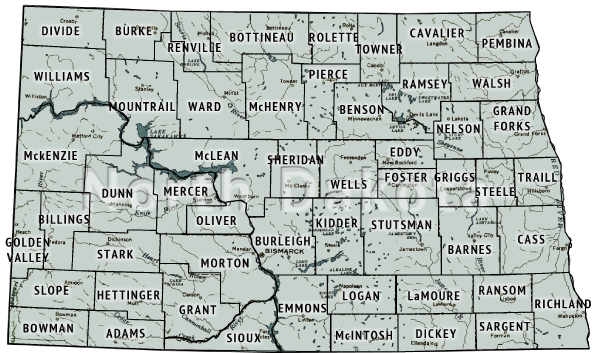
County Veterans Service Officers (VSOs) are your local experts in navigating federal and state benefits for veterans. They provide free, professional assistance with health care, compensation, pensions, long-term care, and burial benefits—including support for surviving spouses who may qualify for state and limited federal aid.
VSOs regularly work with the U.S. and North Dakota Departments of Veterans Affairs, as well as National Service Officers from veterans’ organizations and other government agencies, to ensure veterans receive all eligible support.
Each county is legally required to appoint and fund a VSO under NDCC 37-14-18 and 37-14-19, with funding from property taxes per NDCC 57-15-06.4 and 57-15-06.7(7).
All services are provided at no cost to veterans and their dependents.
Tribal Veterans Service Officers
Tribal Veterans Service Officers (VSOs) offer professional, local assistance to veterans and their families seeking federal and state benefits. They support access to health care, compensation, pensions, long-term care, and burial benefits—including aid for surviving spouses who may qualify for state or limited federal programs.
Tribal VSOs work closely with the U.S. and North Dakota Departments of Veterans Affairs, National Service Officers, and other tribal, state, and federal agencies to ensure veterans receive the support they’ve earned.
Tribal VSOs and their staff are employed by their respective tribes.
All services are provided free of charge to veterans and their dependents.
Service Officer Code of Ethics
Confidential information, whether supplied by the veteran, the Department of Veterans Affairs, or other parties shall remain confidential and will not be released or discussed except to those personally connected to the case with a need to know in order to assist the veteran or the veteran’s dependents.
The Service Officer will prepare and perfect all claims to the best of his/her ability with the intent of affording the claimant the benefits to which they are entitled. The Service Officer must insure that all information is true and factual to the best of his/her knowledge.
The Service Officer shall maintain high professional standards in dealing with other service officers, (federal, state, and local) and other persons and agencies as necessary in service to his/her client.
The Service Officer will provide services without prejudice to all persons making a claim to the Department of Veterans Affairs.
The Service Officer will, to the best of his/her ability, maintain a working knowledge of all rules and regulations concerning veterans’ benefits and will strive to keep such knowledge updated in light of constantly changing laws and regulations.
Veterans Service Officers should not, under any circumstances, accept remuneration in cash or other form for services rendered.
Veterans Service Officers should not, under any circumstances, serve as guardians, committees, or fiduciaries for any other individuals receiving benefits from the Department of Veterans Affairs or any other agency.